In a heavily commoditized tech accessory market, off-the-shelf white-box packaging signals low quality to retail buyers and consumers alike. Standing out on crowded physical shelves requires more than just a sleek electronic device. You must capture customer attention immediately. Today, a generic box easily gets lost among dozens of competing products.
USB C hubs are highly sensitive electronic devices. Poor packaging leads to higher transit damage and expensive product write-offs. It also causes increased retail return rates due to misunderstood device specifications. Consumers easily confuse similar-looking hubs. When they buy a product expecting specific features and fail to find them, you lose vital point-of-sale conversions.
Moving from generic boxes to strategic custom packaging requires careful planning. You must evaluate material durability, regulatory compliance, and tooling costs thoroughly. Proper planning ensures the investment yields a higher perceived value. This approach ultimately delivers a significantly lower product return rate. We will guide you through the structural and strategic choices required to upgrade your retail presentation successfully.
Key Takeaways
- Protection is paramount: Internal inserts (like molded pulp or EVA foam) are critical for preventing port and PCB damage during shipping.
- Compliance is non-negotiable: Accurate technical labeling and regional certifications (CE, FCC, WEEE) must be integrated into the packaging design.
- Cost scales with structure: Custom structural molds drive up upfront tooling costs and lead times, whereas custom printing on stock dimensions offers a faster, lower-MOQ alternative.
Why Branded Hub Packaging is a Critical Retail Differentiator
The tech accessory market remains heavily saturated across all channels. Consumers face endless rows of similar devices online and in stores. They routinely judge internal hardware quality before even opening the box. This buyer behavior makes your exterior design an essential silent salesperson. You must grab attention instantly to survive in modern retail. Effective visual merchandising helps your products stand out clearly. High-quality renders of branded hub packaging also significantly boost click-through rates on e-commerce listings.
Retail returns continuously plague electronics brands globally. Shoppers frequently purchase the wrong item by mistake. They might need a docking station but accidentally buy a simple adapter. Packaging plays a vital role in educating the consumer right at the point of purchase. You should clearly differentiate a simple data-only hub from a robust pass-through charging hub. A buyer looking for a dual-monitor setup needs instant visual confirmation on the front cover. We see far fewer returns when package labels explicitly match actual buyer needs.
A premium unboxing experience directly builds consumer trust. It reassures buyers they purchased a high-quality component. Flimsy paperboard feels cheap and suggests poor internal manufacturing. Sturdy materials justify higher retail price points immediately. They protect the delicate PCB boards inside while elevating the user experience. You build long-term brand loyalty through these initial physical interactions. Thoughtful design elements show customers you care about their entire journey.
Evaluating Materials: Protection, Aesthetics, and Sustainability
Selecting the right exterior structure dictates your product's retail success. Folding cartons serve as a highly cost-effective and customizable choice. They fit perfectly into high-volume retail environments where shelf space is tight. Rigid boxes carry a much higher unit cost. Brands typically use them for premium or pro-tier hubs. They offer maximum crush resistance during international transit. Blister packs are dying out rapidly across most markets. Sustainability concerns drive this decline, though legacy big-box retailers still request them for theft prevention.
The internal insert represents the most critical component of the whole package. The insert secures the actual device and prevents destructive shifting. EVA foam offers a premium feel and excellent shock absorption, but it costs more. Custom molded pulp provides a superb eco-friendly alternative. It does require initial tooling investments to get the shape right. Die-cut cardboard serves as a highly budget-friendly option. It offers moderate protection and works well for lighter devices.
Implementation reality often challenges initial design concepts. You must account carefully for the cable bend radius. Many brands overlook this critical engineering detail during the mockup phase. A tight bend frays the internal wires prematurely. The product might break before the buyer even unboxes it. Professional custom USB C hub packaging strictly limits cable tension. It provides dedicated routing channels to protect the primary connector interface.
Packaging Material Characteristic Comparison
| Material Type | Primary Use Case | Relative Cost | Protection Level | Sustainability Profile |
| Folding Carton (Exterior) | High-volume retail sales | Low | Moderate | High (Recyclable) |
| Rigid Box (Exterior) | Premium/Pro-tier hubs | High | Maximum | Moderate (Reusability) |
| EVA Foam (Insert) | High-end unboxing experience | High | Excellent | Low (Hard to recycle) |
| Molded Pulp (Insert) | Eco-conscious branding | Medium (High setup) | High | Excellent (Biodegradable) |
| Die-Cut Cardboard (Insert) | Budget-friendly product lines | Low | Moderate | High (Recyclable) |
Compliance and Information Hierarchy in OEM Accessory Packaging
Selling electronics globally requires strict regulatory adherence from day one. You must map out mandatory on-box real estate early in the design phase. CE, FCC, RoHS, and WEEE disposal symbols are legally mandatory in major markets. Missing these logos triggers immediate customs holds at international borders. Retailers will reject non-compliant inventory outright, stranding your capital. This disrupts your entire distribution pipeline and ruins launch schedules. Successful OEM accessory packaging seamlessly integrates these vital marks into the artwork without ruining the aesthetic.
Buyers look for specific technical capabilities when shopping for hubs. You should display critical technical specifications clearly on the front or side panels. Poor information hierarchy confuses shoppers and drives them to competitors.
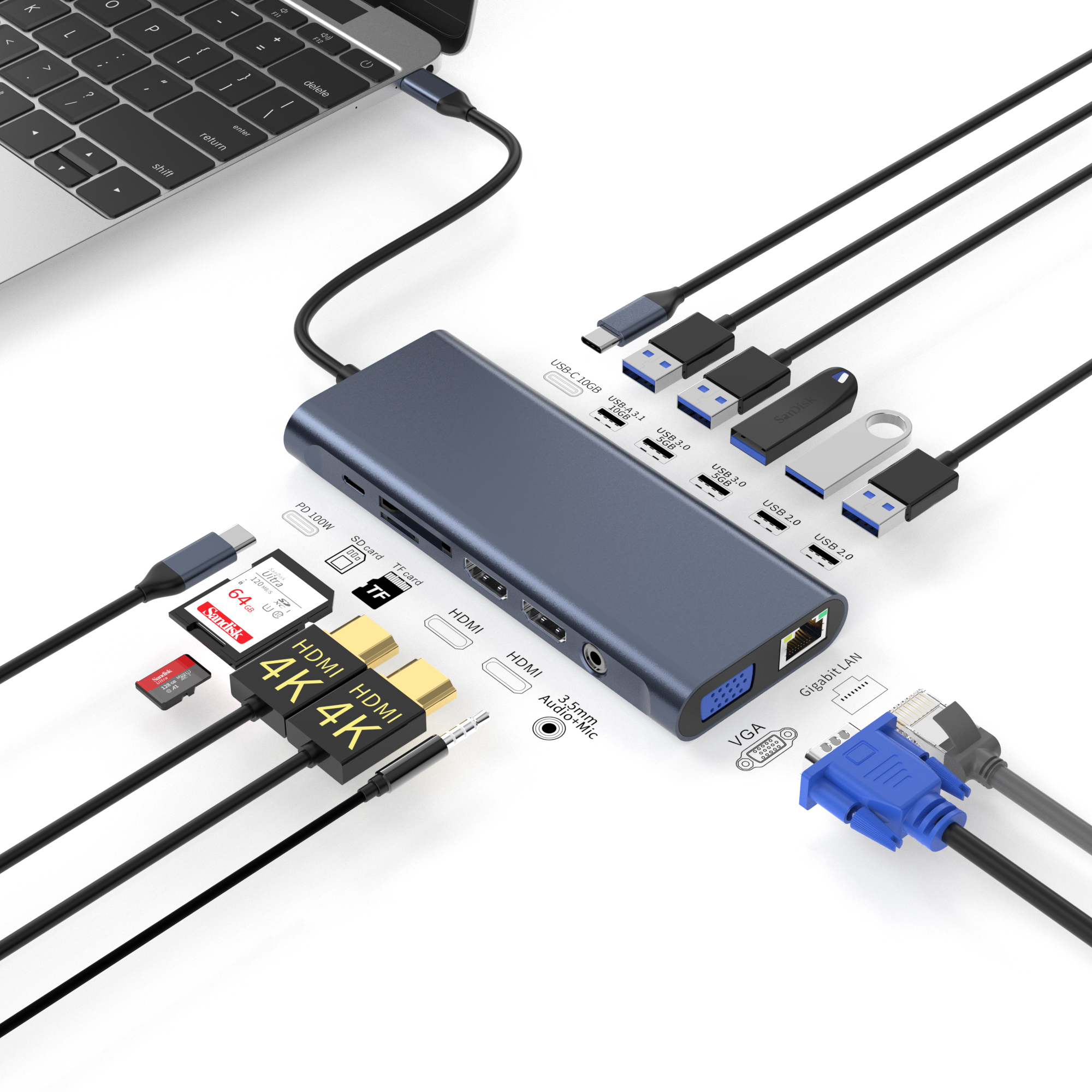
- Highlight specific video output capabilities prominently, such as "4K@60Hz HDMI", rather than just "Video Out".
- State pass-through charging speeds explicitly, like "100W PD", so users know their laptop will stay powered.
- Define data transfer rates clearly, including "10Gbps Data", to appeal to professionals moving large files.
Clear specifications prevent severe user frustration post-purchase. They stop a user from buying a 4K@30Hz model when they actually need 60Hz for gaming. Barcode placement also matters significantly for retail logistics. UPC and EAN codes must meet stringent retail scanning standards. You must ensure barcode contrast is high enough for laser scanners. Do not let logistic labels compromise your primary brand design, but never hide them where cashiers cannot scan them easily.
Cost Drivers and Realities in Retail Box Customization
Budgeting for new boxes requires understanding the underlying manufacturing mechanics. Creating a brand-new structural mold incurs heavy die-cut tooling fees. You pay this upfront before a single box is printed. Applying custom artwork to an existing template saves substantial money. It eliminates structural tooling fees entirely. This template approach speeds up your time to market significantly. Effective retail box customization balances these two paths depending on your budget constraints.
Minimum Order Quantities (MOQs) depend heavily on your specific material choices. Standard folding cardboard might only require a manageable 1,000 units per run. Custom-colored EVA foam inserts often demand 5,000 units or more to justify machine setup time. You must forecast your sales accurately to avoid piling up dead stock. Holding excess packaging in warehouses drains your operational cash flow quickly.
Lead times dictate your entire supply chain rhythm. You can source packaging concurrently with device manufacturing at the same facility. This turnkey approach saves weeks of logistical headaches. Alternatively, you can assemble boxes post-freight in your domestic warehouse. This local kitting strategy costs considerably more in local labor rates. It does, however, offer late-stage flexibility if you need to swap instruction manuals for different regions.
Shortlisting Logic: How to Choose a Packaging Partner
Selecting the right vendor mitigates severe production risks down the line. A bad printing job ruins an otherwise excellent tech product. You must vet potential partners rigorously before handing over your designs.
- Demand physical structural blank prototypes before committing to mass production.
- Test the device fit rigorously using these blank samples to ensure tight tolerances.
- Perform standardized drop tests to verify internal crash resistance protects the hub.
Never commit to bulk printing without a physical structural sign-off. Print quality ultimately determines your final shelf appeal. You must evaluate suppliers on their precision color matching capabilities. Understand the critical difference between standard CMYK printing and exact Pantone precision. Request physical samples of their various finishing options. Matte lamination, spot UV, and elegant foil stamping easily elevate the visual impact of the final product.
Finally, assess their direct fulfillment integration capabilities. The best packaging supplier integrates directly with your hardware factory. This integration enables seamless kitting and final assembly overseas before shipping. It saves you massive domestic labor costs and simplifies importing. Comprehensive USB C Hub Custom Packaging solutions handle both the box manufacturing and the intricate packing process simultaneously.
Conclusion
Effective custom USB C hub packaging expertly balances structural protection, mandatory regulatory compliance, and stunning retail aesthetics. It stops transit damage in its tracks and prevents frustrating consumer misunderstandings at the point of sale. Smart structural design directly boosts your brand reputation and your bottom line.
We advise retail buyers to immediately audit their current return rates. Review your recent transit damage reports carefully to spot failure trends. Identify exactly where your current generic boxes fail to protect the device. Once audited, request a structural packaging prototype from a vetted supplier and run rigorous physical tests before your next big product launch.
FAQ
Q: What is the standard MOQ for fully custom USB C hub packaging?
A: Typically ranges from 1,000 to 3,000 units depending on the printing complexity and insert materials. Tooling-intensive designs push this number higher. Stock templates usually allow for much lower initial volumes.
Q: Can eco-friendly packaging adequately protect sensitive USB hubs?
A: Yes. Molded pulp inserts and high-density corrugated boards provide excellent shock absorption. This protection rivals traditional foam or plastic. Tooling costs for molded pulp can be higher initially, but unit costs scale well.
Q: Should I source packaging from my hub manufacturer or a dedicated packaging supplier?
A: While OEM factories offer turnkey convenience, dedicated packaging suppliers generally provide better quality control. They offer advanced retail box customization options and superior printing finishes. Combining both through integrated assembly is often the best strategy.
Q: How do I ensure my packaging design fits the final product?
A: Always request a "white sample." This unprinted structural prototype lets you test the physical fit. You can check cable routing and insert grip before approving the final mass production run. Never skip this testing phase.