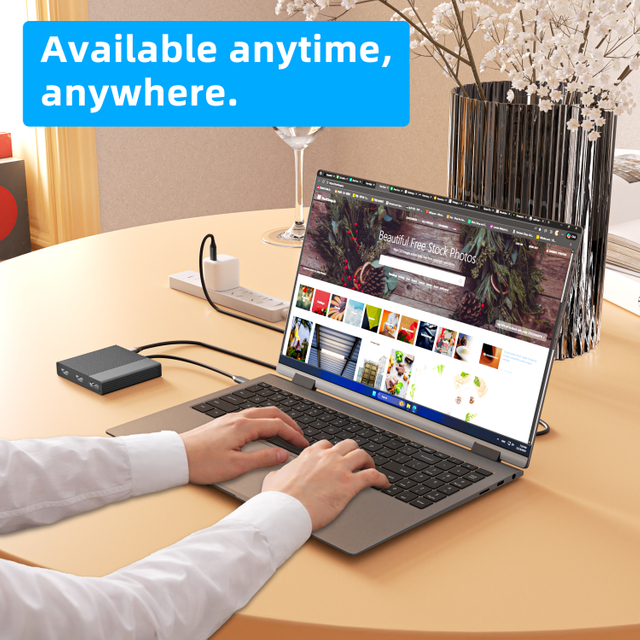
Integrating hardware into a proprietary product line or enterprise environment carries significant technical and brand risk. Consumer-grade hubs lack the durability and customization required for commercial deployment. Standard retail models frequently overheat or drop data connections under continuous enterprise use. Whether embedding hubs into smart furniture, retail kiosks, or launching a branded electronics line, precise planning is essential. Poorly integrated hardware causes frustrating systemic failures. Devices disconnect randomly. External screens flicker. Host machines freeze unexpectedly.
You must closely align technical specifications with physical installation requirements. Brand compliance rules also demand strict adherence during product development. A poorly executed integration can severely damage your brand reputation. This guide outlines the technical, logistical, and vendor-evaluation frameworks necessary to deploy hardware successfully. We help you scale a private label hub program efficiently. You will learn everything from exact chipset selection to physical mounting strategies and mandatory compliance testing.
Key Takeaways
- Defining exact OEM USB C hub specifications prevents thermal throttling and power-draw failures during physical integration.
- Successful installation requires mapping the physical footprint, mounting mechanisms, and cable strain relief tailored to your proprietary hardware.
- Regulatory compliance (FCC, CE, RoHS) and accurate label packaging are non-negotiable for private label programs OEM USB C hub deployments.
- Selecting an OEM USB C hub supplier hinges on verifiable manufacturing capacity, defect resolution protocols, and firmware customization capabilities.
Off-the-Shelf vs. Custom OEM USB C Hub Solutions
Standard retail hubs often fail in enterprise or integrated environments. They suffer from inadequate heat dissipation and feature unstable chipsets. Under continuous heavy load, consumer devices degrade rapidly. Heat accumulates inside closed chassis. Plastics warp over time. Internal soldered joints weaken under thermal stress. Furthermore, buyers cannot flash custom firmware on off-the-shelf units. This restriction blocks basic corporate branding requirements. Generic chipset names appear in system menus, confusing end-users.
Choosing a custom OEM USB C hub provides complete control over hardware configurations. You can prioritize data lanes over display outputs. You can dictate specific Power Delivery (PD) limits to match exact end-use cases. This prevents paying for superfluous features your project does not need. For instance, a point-of-sale terminal might need multiple USB-A data ports but zero HDMI outputs. Custom designs allow you to strip away unnecessary video controllers. This reduces heat generation and lowers unit costs simultaneously.
A successful private label integration meets several strict criteria. Users experience zero-configuration deployment right out of the box. Hardware defect rates stay well below one percent over a three-year lifecycle. Seamless brand consistency appears across physical hardware and digital device managers. The device simply works flawlessly in the background. End-users should never have to troubleshoot power drops or missing drivers. Achieving this requires precise engineering from the earliest design stages.
Defining Essential OEM USB C Hub Specifications
Calculating your total power budget requirement is crucial. Multiple high-drain peripherals can cause severe power overdraw. When defining OEM USB C hub specifications, engineers must allocate specific wattages. They assign precise limits to each downstream port. This load balancing guarantees safe operation. For example, assigning 65W to the host laptop and 15W across peripheral ports prevents sudden shutdowns. Implementing USB-IF certified PD 3.0 or PD 3.1 protocols ensures reliable communication between the host and the hub. Proper negotiation prevents dangerous voltage spikes.
Data transfer demands dictate exact controller choices. Industry-standard controllers from Realtek or VIA offer distinct bandwidth capabilities. A 5Gbps pipeline suits basic peripherals like keyboards, mice, and barcode scanners. Meanwhile, 10Gbps controllers handle intensive video rendering and external SSD arrays. Always verify operating system compatibility across Windows, macOS, and ChromeOS. Driver conflicts ruin end-user experiences. Keep in mind macOS handles Multi-Stream Transport (MST) differently than Windows. You must specify controller chips engineered to support your target operating system's exact display protocols.
Thermal management constraints heavily influence housing materials. Enclosed kiosks trap heat easily. In-desk mounts restrict airflow. Aluminum dissipates heat efficiently, whereas ABS plastic retains it. Internal thermal pads should transfer heat away from primary controllers to prevent throttling. If a hub overheats, the internal controller slows down data speeds to protect itself. This throttling causes lag and connection drops. Selecting the right external shell and internal cooling components eliminates these performance bottlenecks.
Hardware thermal integration chart:
| Housing Material | Heat Dissipation Rating | Ideal Deployment Environment | Mechanical Durability |
| Aluminum Alloy | Excellent | Enclosed kiosks, industrial carts | High |
| ABS Plastic | Poor | Open air desktop use only | Low |
| Polycarbonate Blend | Moderate | Ventilated smart furniture | Medium |
| Zinc Alloy | Superior | High-temperature industrial zones | Very High |
Physical Installation & Hardware Integration Logistics
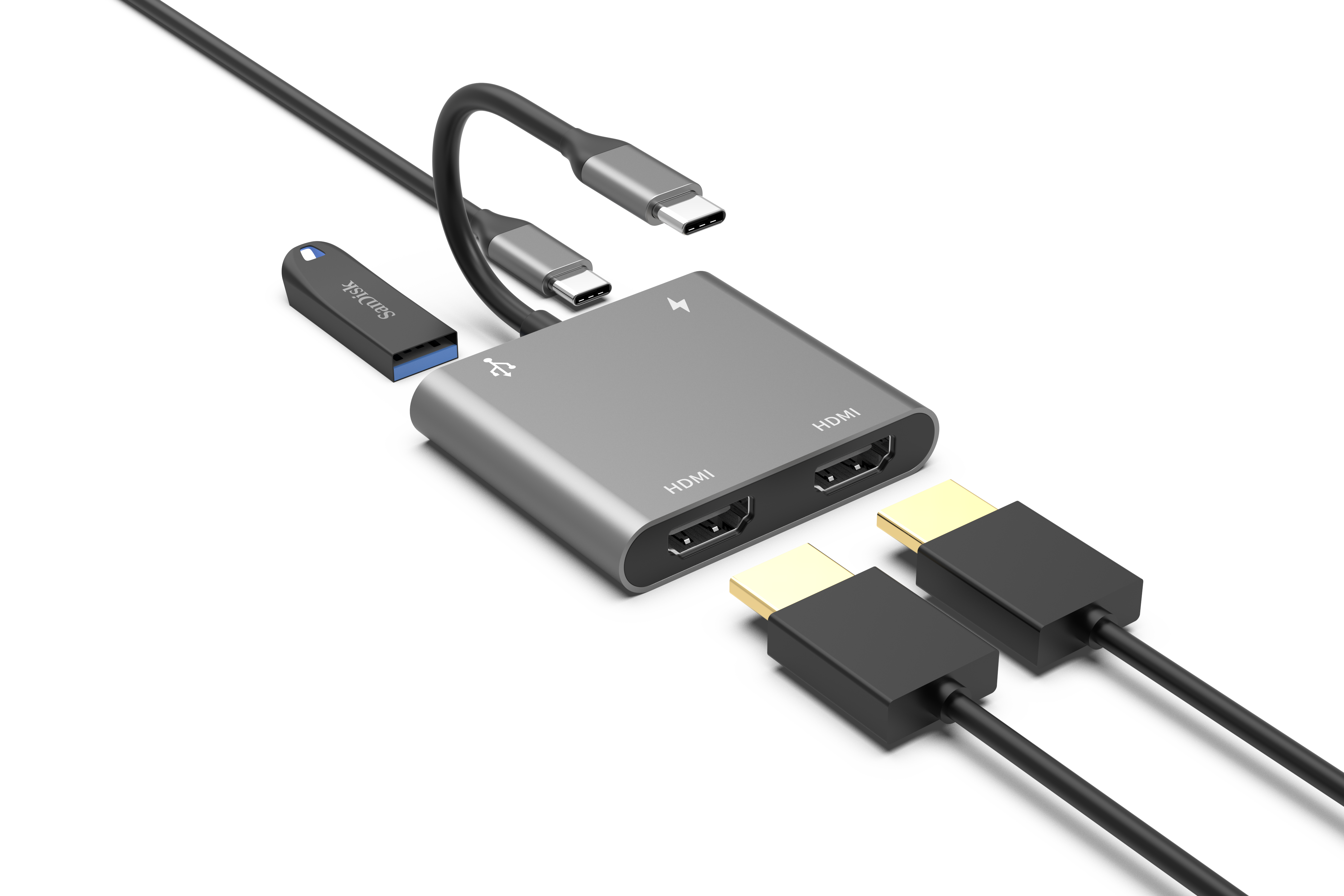
Embedding a hub requires precise mechanical engineering. You must evaluate the physical footprint and mounting mechanism early. Bare PCB deployments save space inside smart furniture. You secure them using grounded metal standoffs. Fully housed units offer better standalone protection against dust and moisture. Flange mounting provides secure attachment points for under-desk installations. Hidden cable routing improves user aesthetics. It also protects cords from accidental snagging. Proper grounding paths prevent static electricity from damaging the delicate internal circuitry.
Commercial environments place intense physical stress on host connections. A reliable OEM USB C hub requires excellent strain relief. Daily use bends and twists standard cables until they break internally. We recommend using locking connectors. These prevent accidental disconnections in high-traffic areas like retail counters. Reinforced cable joints significantly extend the lifespan of your proprietary hardware. Kevlar-braided outer sheaths offer another layer of physical protection against sharp edges inside metal kiosks.
Step-by-Step Pilot Rollout
Never rush into mass production without proper validation. Follow a structured pilot rollout to guarantee success. This phased approach identifies fatal design flaws before you order thousands of units.
- Phase 1: Prototyping and Bench Testing. Test the prototype against maximum advertised electrical loads. Connect power-hungry devices to every port simultaneously. Verify the internal controllers distribute power correctly without crashing.
- Phase 2: Environmental and Enclosure Testing. Place the device in its intended installation chassis. Run it continuously for 72 hours. Measure the internal ambient temperature. Ensure the hardware survives extreme heat and continuous uptime without thermal throttling.
- Phase 3: Firmware and Fit Finalization. Verify the physical fit inside the enclosure. Check cable bend radiuses. Finalize EEPROM settings to ensure the operating system recognizes your custom brand name correctly upon plug-in.
Navigating Compliance and Packaging for Private Label Programs OEM USB C Hub
Regulatory certifications protect your business from legal liabilities. Any hardware entering the market requires mandatory compliance testing. You need FCC Part 15 certification for the US market. This proves the device limits electromagnetic interference properly. CE marking is legally required for European distribution. RoHS compliance ensures environmental standards are met by eliminating hazardous soldering materials like lead. Never accept verbal assurances from factories. Always demand verifiable testing reports from accredited third-party laboratories. Keep these reports on file for customs inspections.
Deploying private label programs OEM USB C hub units requires strict labeling accuracy. Devices must display serial numbers and regulatory marks permanently. Laser engraving works best for metal housings. High-contrast silkscreening suits plastic chassis. Input and output wattages should appear clearly near the relevant ports. Packaging must reflect these exact specifications precisely. Inaccurate labels trigger customs delays and consumer protection lawsuits. You must proofread every millimeter of the silkscreen file.
Packaging operations differ vastly based on your deployment model. Industrial applications rely on anti-static bags for bulk B2B installations. This minimizes waste and speeds up the assembly line process. Direct-to-consumer (D2C) retail requires custom branded boxes. Retail boxes need drop-test certification to survive rough shipping conditions. They also require universal product codes (UPC) and detailed user manuals. Select the packaging type optimized for your specific distribution channel early in the planning phase.
How to Evaluate and Shortlist an OEM USB C Hub Supplier
Distinguishing a true manufacturer from a trading company minimizes risk. Verify if a vendor actually owns their manufacturing facility. Request independent factory audits. Ask for live video tours of the assembly line. Confirm their ISO 9001 certifications are current and valid. A reliable OEM USB C hub supplier openly shares these documents. Trading companies often hide their facility details. They add unnecessary markups and delay communication during critical engineering revisions.
Assess the supplier's customization depth carefully. Determine if they simply modify standard molds (ODM) or if they can build entirely from scratch (OEM). Building from scratch requires in-house mechanical engineers and tooling machinery. Custom firmware flashing is highly recommended. This allows renaming the device ID in operating systems. It ensures the hardware reflects your brand name, not the generic chipset maker's name.
Evaluate their supply chain integration capabilities. Strong Electronic Data Interchange (EDI) systems streamline reordering. Negotiate Minimum Order Quantities (MOQs) upfront. Demand strict lead time guarantees to prevent production delays. Protect your program by establishing risk mitigation protocols. Request raw defect rate data from previous production runs. Clarify warranty terms and define the return merchandise authorization (RMA) workflow before signing any agreement.
- Verify Factory Ownership: Demand ISO 9001 certificates and request third-party facility audits.
- Assess Engineering Capabilities: Ensure they employ in-house PCB designers and firmware programmers.
- Review Quality Control SOPs: Check their testing procedures for plug-cycles, salt spray, and thermal aging.
- Clarify RMA Protocols: Establish clear terms for returning defective units and receiving replacements quickly.
- Negotiate Supply Terms: Lock in MOQs, tooling costs, and lead times in a binding manufacturing contract.
Conclusion
Successful private label installation requires a coordinated cross-functional effort. Hardware engineering, regulatory compliance, and strategic sourcing must align perfectly. Neglecting any of these areas creates massive deployment bottlenecks. A poorly specified chipset ruins the user experience. Weak mounting mechanisms cause physical breakages. Missing compliance documents halt shipments at the border. You must manage each variable with precision to launch a resilient hardware product.
We highly recommend taking immediate action on your internal documentation. Finalize your technical requirements document (TRD) before moving forward. Detail every port speed, thermal limit, and physical dimension. Issue your Requests for Quotation (RFQs) to vendors only after defining every specification clearly. This disciplined approach guarantees a commercial-grade hardware deployment. It protects your brand reputation and ensures long-term operational stability.
FAQ
Q: What is the standard MOQ for a custom OEM USB C hub?
A: The standard Minimum Order Quantity (MOQ) typically ranges from 500 to 2000 units. This variance depends heavily on your housing customization requirements. Standard casing modifications usually require lower minimums. Building a completely new physical mold from scratch pushes the MOQ toward the higher end of that spectrum to offset tooling costs.
Q: Can an OEM USB C hub supplier customize the device's digital identity?
A: Yes, reputable suppliers can customize the device's digital identity easily. They achieve this through EEPROM programming. This process updates the internal firmware so your custom brand name appears directly in the operating system's device manager. It provides a seamless, professional experience for the end-user rather than displaying generic component names.
Q: How long does a private label pilot program typically take to launch?
A: A realistic timeline spans approximately 75 to 90 days. The initial phase requires about 30 days for prototyping and rigorous bench testing. Following prototype approval, allocate another 45 to 60 days for mass production and compliance verification. Shipping and final assembly logistics may add extra time depending on your geographic location.